

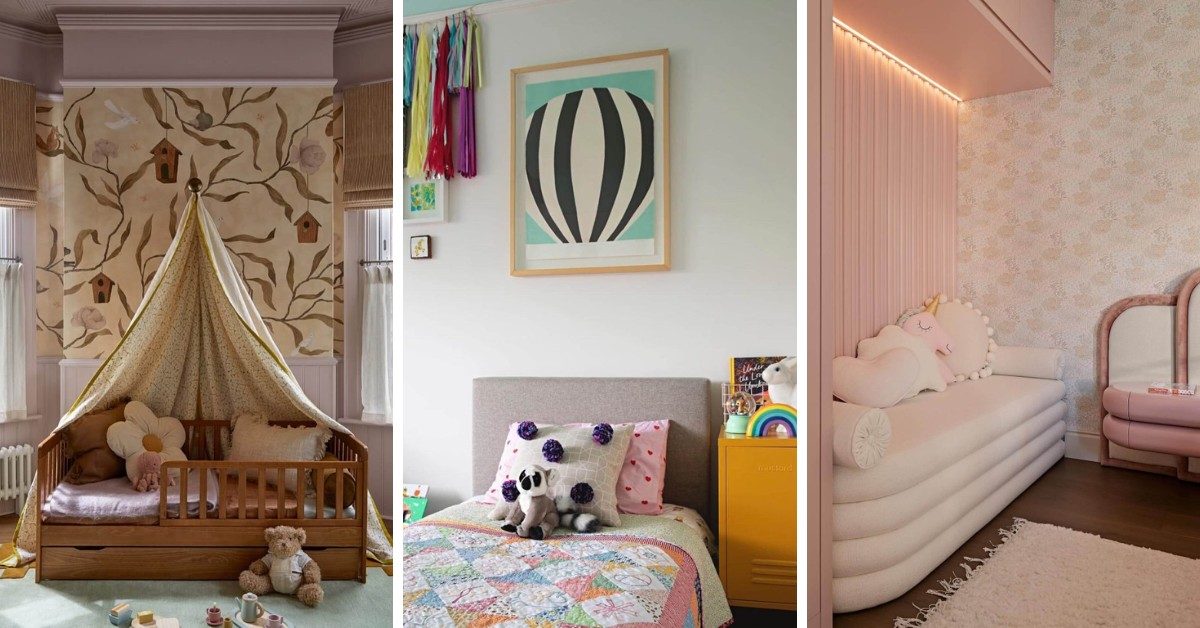
Designing a small kids bedroom can feel like solving a puzzle—you need to fit in storage, sleeping space, and room to play, all while keeping the design fun and age-appropriate. Whether you’re working with a compact nursery, a shared sibling space, or a narrow city apartment room, the challenge is the same: make every square foot count without compromising on style or comfort.
Luckily, small rooms can spark big creativity. With clever furniture, smart storage solutions, and playful design choices, even the tiniest rooms can become a cozy haven for your child to rest, play, and grow. From bunk beds and built-in shelving to multipurpose furniture and whimsical decor, there are countless ways to design a small space that feels spacious, functional, and full of personality.
Space-Saving Furniture for Small Kids Bedrooms
The right furniture makes a huge difference in compact spaces. Multi-purpose and child-sized pieces ensure the room remains functional while leaving space to move around. Lightweight, easy-to-rearrange furniture also makes it easier to adapt the room as kids grow. With smart furniture choices, even the smallest bedrooms can feel open and practical.
Essential furniture solutions:
- Bunk beds: Perfect for siblings or sleepovers, they save floor space while adding a fun design element.
- Loft beds: Raise the sleeping area to create play or study zones underneath.
- Storage beds: Built-in drawers under the bed eliminate the need for bulky dressers.
- Foldable desks or chairs: Compact designs that can be tucked away when not in use free up valuable space.
Space-saving furniture ensures kids have room to play, study, and rest, all within a small footprint. It allows parents to create multifunctional spaces without sacrificing comfort or style.
Creative Design Ideas for Small Kids Bedrooms
Designing small kids bedrooms requires creativity to keep the space lively without overcrowding. Choosing the right colors, décor, and layout can make the room feel larger and more inviting. Light colors, mirrors, and vertical design strategies help maximize space. Personal touches and playful elements add warmth and keep the room fun for kids of any age.
- Light wall colors expand the sense of space, while pops of bright accents keep the room cheerful.
- Vertical storage solutions like tall shelves or hanging organizers free up floor area.
- Wall decals and murals add personality without taking up space.
- Multi-purpose play corners, like a reading nook under a loft bed, combine function with fun.
The goal is to make the small bedroom feel like a world of its own for the child—cozy, creative, and perfectly tailored to their needs.
Small Kids Room, Big Style: Smart Design Hacks for Tiny Spaces
In this listicle, we’ve rounded up 23 small kids bedroom ideas that are big on inspiration. Whether you’re decorating for toddlers, tweens, or siblings sharing a room, these ideas will help you transform a tight space into a joyful, stylish retreat your kids will love.
Low Loft Beds for Playful Storage Solutions

Loft beds are a lifesaver in small kids bedrooms, and a low-profile version like this is perfect for younger children. By raising the bed just enough to create usable space underneath, you open up valuable square footage that can be used for toy bins, bookshelves, or even a mini play area. It keeps clutter contained while giving kids their own little hideaway.
This design strikes the perfect balance between function and fun. The cozy space underneath feels like a secret fort, which kids naturally love, and the compact design ensures the room still feels open and breathable. It’s a brilliant solution for maximizing vertical space without overwhelming a small room.
Neutral Tones and Modular Storage for a Timeless Look
This kids bedroom proves that small spaces don’t have to be chaotic or overly colorful. A neutral palette paired with modular storage creates a calming, clutter-free environment that can grow with your child. Open shelving and basket storage make it easy to keep toys and books accessible, while also teaching kids how to stay organized.
The real magic here is in the versatility—furniture can shift as needs change, and the simple design won’t quickly go out of style. It’s a great reminder that functionality and aesthetic can go hand in hand, even in the most compact kids’ rooms.
Bunk Beds with Built-In Shelving for Shared Spaces
Bunk beds are a go-to for small shared bedrooms, but this version takes it a step further with built-in shelving and storage nooks. Each child gets their own dedicated space to sleep, store, and personalize. It helps reduce sibling conflicts and creates a sense of ownership, even in a shared environment.
By building storage into the bed frame, you eliminate the need for extra furniture, which is crucial in tight quarters. Whether it’s for two siblings or frequent sleepovers, this layout maximizes both vertical and horizontal space without sacrificing comfort or style.
Floating Desks for Homework and Creativity
A small bedroom doesn’t have to mean giving up on having a study area. This clever design features a floating desk built directly into the wall—saving floor space while still providing a functional surface for homework, drawing, or crafts. Paired with a compact chair and open shelving, it’s an ideal setup for school-aged kids.
The desk’s placement also keeps the floor open for play, which is key in a child’s room. It’s a great way to encourage creativity and focus, even in a small footprint. Plus, the minimalist style allows the rest of the room to shine without feeling cluttered.
Whimsical Wall Murals That Make a Big Impact
When space is limited, your walls become the biggest canvas—and this room makes the most of it with a whimsical, large-scale wall mural. Whether it’s a forest, outer space, or under the sea, murals instantly make a room feel imaginative and expansive without taking up any physical space.
Pairing wall art with simple furnishings helps maintain balance while still making the room feel special. It’s an easy and budget-friendly way to inject personality and wonder into a small kids bedroom—and it can easily be updated as your child grows.
Compact Corner Beds for Smart Layouts
When space is tight, every inch counts—and a corner bed layout is a clever way to open up the center of the room. By tucking the bed into one side, this setup maximizes floor space for play or additional furniture. It’s especially effective in small square or oddly shaped rooms where traditional layouts feel cramped.
This design also creates a natural focal point that can be styled with wall art, shelves, or a cozy reading nook. With the right bedding and decor, even a basic bed frame can feel intentional and inviting. It’s a small-space hack that’s both functional and stylish.
Under-Bed Drawers That Disappear Clutter
Storage is king in any small bedroom, and under-bed drawers are one of the smartest ways to keep things tidy without adding bulky furniture. This setup features sleek, built-in drawers that blend seamlessly with the bed frame—perfect for storing clothes, toys, or extra bedding.
What makes this design stand out is how hidden and streamlined it looks, keeping the room feeling open and visually calm. For parents tired of tripping over toys or laundry piles, this solution offers a stress-free way to reclaim order in a compact kids space.
Two-in-One Bed and Desk Combos
Small rooms often mean making furniture work double duty—and this bed-desk combo nails it. A raised bed creates room underneath for a built-in workspace, complete with shelves and a chair. It’s a smart use of vertical space and a great option for older kids or tweens who need a dedicated study zone.
Beyond just saving space, this layout gives kids a sense of independence and ownership. Whether they’re reading, crafting, or doing homework, having their own little “zone” boosts focus and creativity. It’s a functional win for growing kids in small homes.
Bright Pops of Color for Playful Energy
A small bedroom doesn’t have to play it safe—this room uses bold pops of color to inject personality and playfulness. Bright bedding, colorful artwork, and painted furniture make the space feel lively and fun, proving that square footage shouldn’t limit your design confidence.
Strategic use of color also helps define zones within a small space, making it feel more organized and dynamic. It’s a great way to reflect your child’s personality without overwhelming the room—and it’s easy to swap out as they grow and their tastes change.
Built-In Bed Nooks with Cozy Vibes
Creating a built-in bed nook is a genius way to make a small room feel special. Nestled between two walls or bookcases, this design feels cozy and custom without taking up more space than a standard twin bed. Add soft lighting, curtains, or wallpaper for an even more magical effect.
This setup turns the bed into a destination rather than just a piece of furniture. It also naturally encourages tidiness since everything feels “tucked in” and contained. It’s a smart solution for kids who love enclosed spaces and for parents who love clean lines.
Themed Decor That Grows With Your Child
Choosing a flexible theme can make a small kids bedroom feel both imaginative and timeless. This room features soft pastel tones and subtle patterns that spark creativity but don’t box you into one specific age or interest. Think stars, rainbows, or gentle nature themes—they feel magical without becoming outdated too quickly.
By building the room around a flexible design base, you can easily update elements like bedding, art, or wall decals as your child grows. It’s a smart strategy for avoiding frequent full-room makeovers while still keeping the space exciting and personalized.
Wall-Mounted Shelving to Free Up Floor Space
Small kids bedrooms benefit greatly from vertical storage, and wall-mounted shelves are one of the easiest and most effective upgrades. They offer storage for books, toys, or decorative items without taking up precious floor space—a must-have in compact layouts.
This design also puts items at kid-friendly height, encouraging independence and self-organization. You can create zones with different shelf heights for toys, bedtime stories, or art supplies. Plus, when styled right, shelves double as decor, adding texture and personality to the room.
Daybeds That Double as Seating
Daybeds are a great choice for small rooms because they pull double duty as both a bed and casual seating area. During the day, they act like a couch for reading, playing, or lounging, and at night, they transform into a comfy sleeping spot.
In this setup, the daybed is styled with plenty of pillows and a throw, giving it that sofa-like appeal. It’s a particularly smart option for preteens or for small rooms that occasionally host guests. And when paired with under-bed drawers, it becomes a space-saving powerhouse.
Personalized Corners for Each Child in Shared Rooms
In shared bedrooms, carving out individual zones—even in small spaces—can help reduce conflict and foster independence. This room uses simple tricks like color-coding, separate headboards, or unique bedding for each child to give them a sense of personal space.
This approach works especially well in narrow rooms or bunk setups. It shows that you don’t need to divide a room with physical barriers to create balance—just thoughtful styling that acknowledges each child’s personality. It’s practical, budget-friendly, and great for siblings.
Monochrome Palettes for a Clean, Cohesive Look
While kids rooms often lean toward color, a monochrome palette can bring calm and cohesion to a small space. This room sticks to shades of white, gray, and soft charcoal, which creates visual flow and makes the room feel more spacious.
The key to keeping a monochrome kids room from feeling flat is texture—quilted bedding, wool rugs, woven baskets, and wooden accents all bring depth and warmth. It’s a sophisticated approach that still leaves room for playfulness through patterns or artwork.
Canopy Beds for a Touch of Magic
Even in a small room, a canopy bed can feel enchanting without taking up extra space. This design features a minimalist canopy frame draped with light fabric to create a whimsical sleeping area that feels cozy and imaginative.
Canopy beds work well for toddlers through tweens and can be styled in endless ways—from fairy tale themes to boho chic. They add vertical interest to the room and can even help visually define the sleep zone, which is helpful in multi-purpose spaces.
Cribs That Transition Into Toddler Beds
In small spaces, furniture that grows with your child is a smart investment. This bedroom features a crib that easily transitions into a toddler bed, extending its life span and saving the need to swap out large furniture too quickly. It’s perfect for nurseries with limited space that need to adapt over time.
By choosing a design with clean lines and neutral tones, the piece blends into any evolving decor style. Add a soft area rug and a wall shelf above, and you’ve got a flexible setup that supports both safety and style as your child transitions through early growth stages.
Creative Use of Vertical Space for Display and Storage
This bedroom makes full use of vertical space with stacked shelves and wall-mounted organizers—an ideal solution for rooms where the footprint is tight. Higher shelves are great for storing items not in everyday use, while lower ones give kids easy access to books and toys.
Adding display space also lets kids show off their personality through photos, art, or favorite items. Not only does this add character, but it keeps the floor clear for essential pieces like the bed or a play mat, allowing the room to feel more spacious and open.
Retro-Inspired Charm in a Modern Layout
Blending vintage charm with modern functionality is a great way to make a small kids room feel special. This space incorporates retro-style furniture like a spindle bed and curved dresser, paired with modern lighting and crisp white walls to keep things fresh and bright.
The contrast between old and new creates a space that feels thoughtfully designed, not dated. It’s also a subtle way to avoid overtly “kiddie” themes, making it easier for the room to evolve as your child grows while still feeling whimsical and warm.
Shared Toddler Rooms with Double the Function
This room is a masterclass in shared toddler space planning. Two small beds sit side-by-side, optimized with matching bedding, shared wall decor, and a single dresser between them. It’s functional, balanced, and avoids visual clutter, all while feeling playful and age-appropriate.
The coordinated layout builds harmony and symmetry, which makes the space feel larger. Adding under-bed drawers or wall-mounted toy bins helps with daily cleanup, making this a practical yet sweet setup for siblings or twins in tight quarters.
Compact Reading Nooks That Encourage Downtime
A cozy reading corner is one of the most rewarding additions to a small kids bedroom. This room carves out just enough space for a mini armchair, low bookshelf, and plush rug—creating a retreat within the room that encourages quiet time and fosters a love for books.
Reading nooks don’t require much space, just a thoughtful layout and soft touches. Hanging a canopy or placing the nook by a window helps define the zone and gives kids a sense of ownership over their quiet spot. It’s a tiny investment that yields big developmental benefits.
Wall Hooks and Peg Rails for Everyday Items
Wall hooks and peg rails are underrated heroes in small-space design. In this room, they’re used to hang backpacks, hats, dress-up clothes, or bedtime robes—all off the floor and easily accessible to little hands. This adds function without needing an extra piece of furniture.
The best part? It doubles as visual decor. Use painted wooden pegs, woven baskets, or personalized name tags to make the space feel custom. It’s a simple, affordable solution for keeping daily clutter in check while also giving the room a curated, intentional look.
Toy Rotation Systems to Prevent Overwhelm
A common issue in small kids rooms is toy overflow, and this setup uses a clever toy rotation system to manage it. Only a handful of toys are out at a time—neatly stored in labeled bins or baskets—while the rest are tucked away in a closet or under-bed storage for later.
Rotating toys keeps the room less cluttered and actually helps kids engage more deeply with fewer choices. It’s also a smart way to reset the room regularly without buying anything new. Functional, educational, and clean—this strategy brings calm to the chaos of playtime.
Storage Hacks for Small Kids Bedrooms
Keeping a small kids bedroom organized can feel like a challenge, but smart storage solutions make it manageable. The trick is to use every inch of space without making the room feel cluttered. Open storage systems encourage independence, while hidden storage keeps the room neat and tidy. Combining both creates a balanced environment that’s easy for kids and parents to maintain.
Smart storage ideas:
- Under-bed drawers: Ideal for toys, seasonal clothes, or extra bedding.
- Wall-mounted shelves: Perfect for books, décor, or small baskets.
- Over-the-door organizers: Great for shoes, accessories, or art supplies.
- Labeled bins: Help kids easily find and put away their belongings.
By implementing these storage hacks, parents can turn small bedrooms into functional and organized spaces. This approach teaches children responsibility while keeping the room visually appealing.
Parents’ Guide: Small Kids Bedroom Questions
How can I make a small kids bedroom look bigger?
Use light wall colors, mirrors, and natural light to create the illusion of space. Keeping furniture minimal and multifunctional also helps.
What’s the best bed for a small kids bedroom?
Loft and bunk beds are excellent for saving space. Storage beds are also great for single rooms, combining sleep and organization in one.
How do I organize toys in a small bedroom?
Use under-bed storage, labeled bins, and vertical shelving. Rotating toys seasonally also helps reduce clutter while keeping the space fresh.
Can a small kids bedroom still have a theme?
Yes! A few themed elements like bedding, wall decals, or art can create a cohesive theme without overcrowding the room.
Small Spaces, Big Possibilities
Designing a small kids bedroom might come with limitations, but as these 23 ideas show, it also opens the door to smart, creative solutions that make every inch count. From space-saving beds and vertical storage to playful themes and multi-functional furniture, even the tiniest room can become a cozy, functional haven for sleep, play, and growth. It’s all about balancing fun and practicality—giving kids a space that reflects their personality while still meeting everyday needs.
Whether you’re working with a shared bedroom, a studio apartment, or a compact nursery, the key is intentionality. Small rooms thrive on thoughtful design choices and flexibility. With a little planning and the right elements, you can transform a cramped area into a joyful, organized space that both you and your child will love for years to come.